Welcome to the latest installment of the Witches Save the World Micro-Interviews! In honor of the upcoming Halloween/Samhain holiday, and in celebration of the release of Witches Save the World, Forests Haunted By Holiness will be featuring a series of interviews with the contributors throughout October.
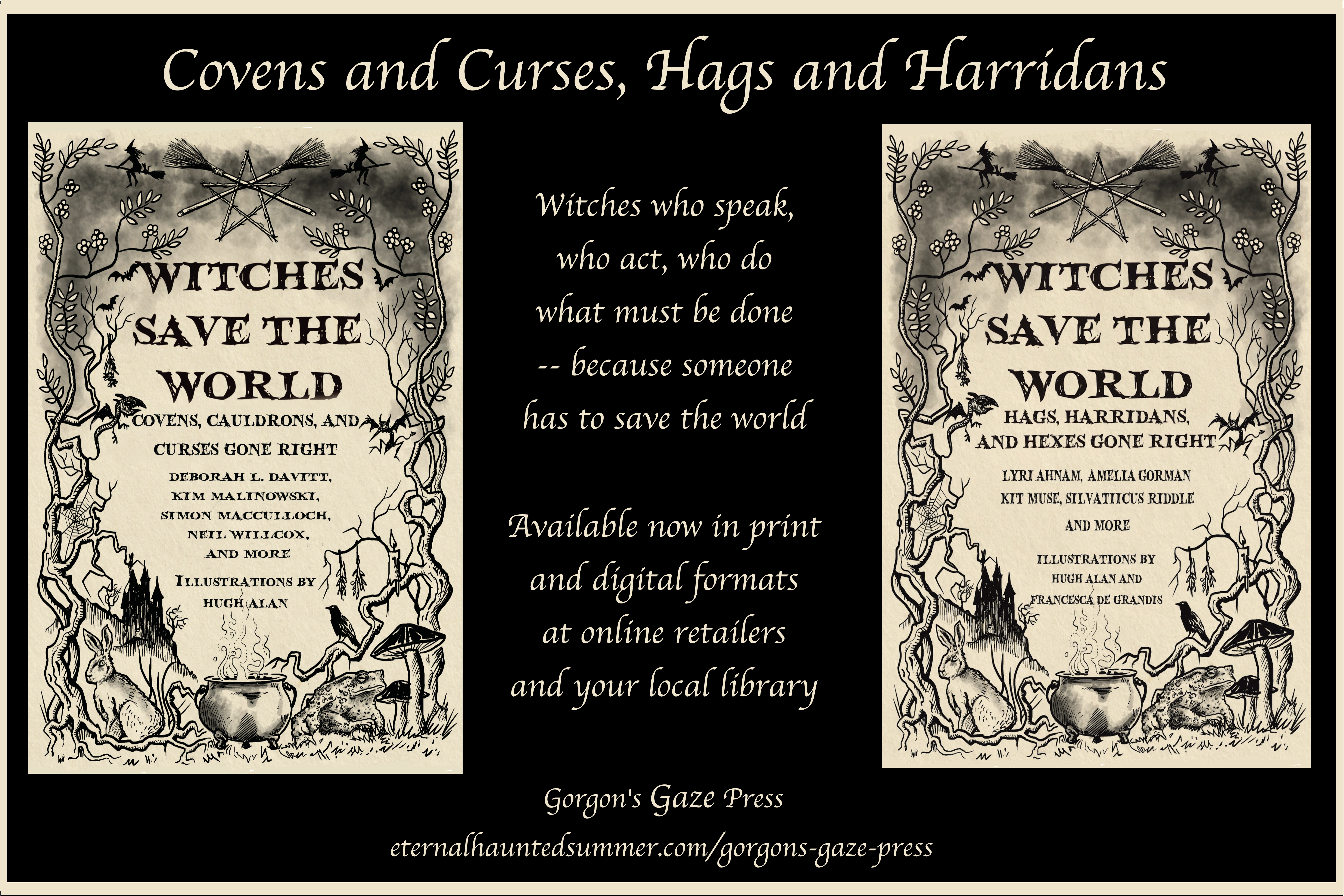
Witches Save the World was a labor of love. Across these two volumes you will find poems, short stories, and essays celebrating the witch and their role as wisdom keeper, protector of nature, avenger of the forgotten, and defender of the oppressed. Individual poems and stories range from historical fantasy to contemporary horror to science fiction, with many questioning the nature and cost of honor, integrity, and freedom.
In concert with these interviews, one physical copy of Witches Save the World — either Hags, Harridans, and Hexes Gone Right or Covens, Cauldrons, and Curses Gone Right— will be given away at the end of the month! Two books, two winners! To enter the drawing, just comment below and share the interview on your favorite social media platform.
Ready? Let’s get started!
Forests Haunted By Holiness: What is the title of your story and can you give us a spoiler-free summary?
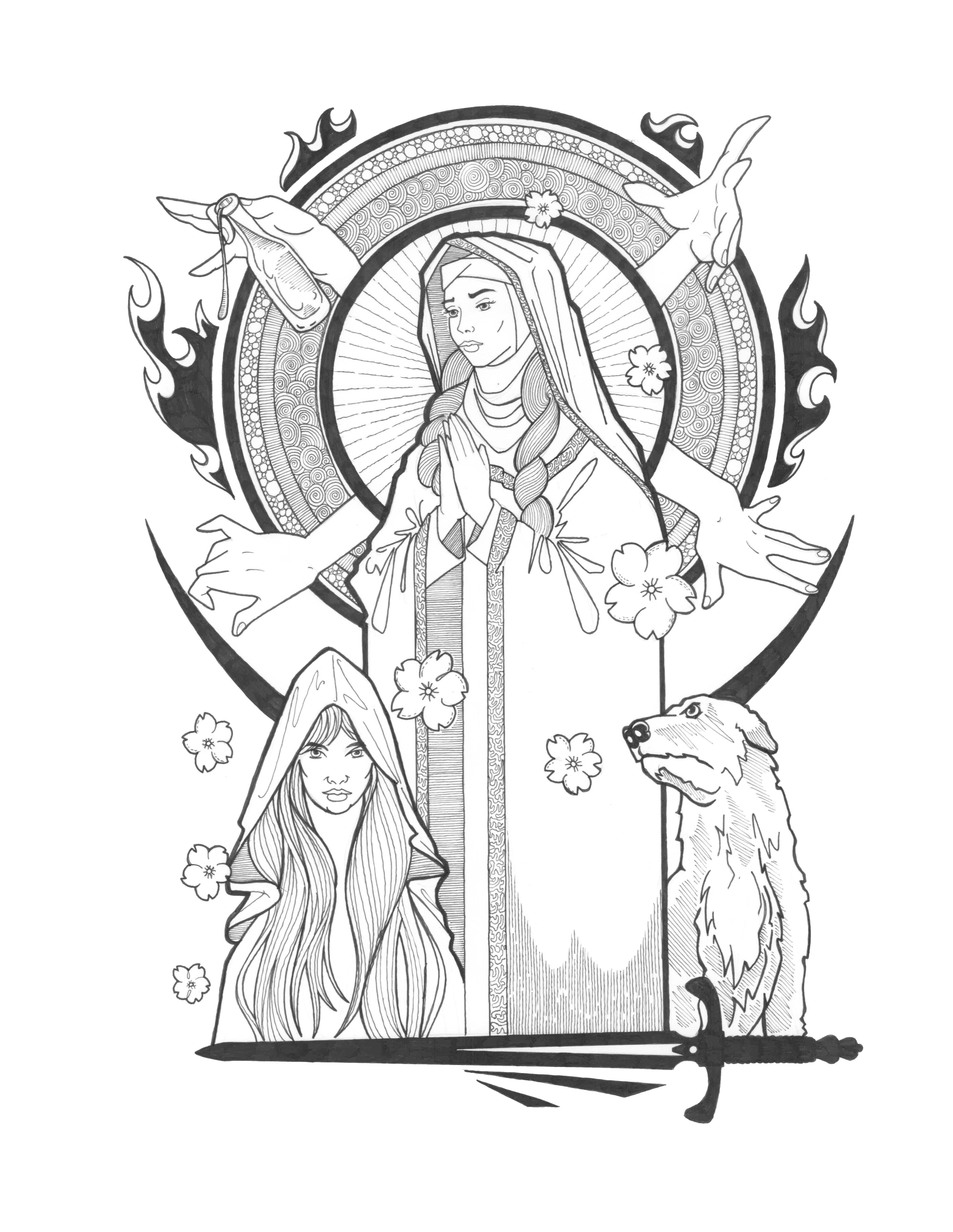
Julia Rajagopalan: My story is “The Hound Abbess of Heidenheim Abbey.” It’s a sapphic romantasy about Abbess Walpurga and the Goddess Holda and their adventures on what I imagine was the first Walpurgisnacht.
FHBH: How did you go about writing your story? Lot of research? Or did you just wing it?
JR: I did a lot of research for this one. I researched Walpurga, who was a real historical figure in Germany in the 8th century. Many historians consider her to be one of the first female authors in England and Germany. I also researched the Goddess Holda and tried to combine their legends into a new story. I’ve tried to include some of the symbols from their myths, like the grain into gold, their affinity for dogs, and the cherry blossoms. There’s some overlap, so much so that some people think that they might have been the same person, but in this story I imagined them as two separate but real women.
FHBH: What draws you to the character and theme of “the witch”? What do you find so compelling about it?
JR: I’ve always had an affinity for Walpurga, who is usually depicted with a book and a dog, which I can very much relate to. I also loved the theme. Though I haven’t always considered myself one, I now like to call myself a book witch. Being able to put a name to it, to me, feels like taking some power back from forces that have for many years stripped us of our power. I also like that the word witch encompasses so many different practices and people. It’s such a powerful and exciting thing.