
Back in 2023 I was a contributing writer to the ezine ev0ke: witchcraft*paganism*lifestyle. I published a lot of short stories and novellas on that site, often typing away right up until the deadline and then posting the story with very little editing.
By and large, those versions were publishable. Others … not so much. One example is Honey in the Snow, a fantasy murder mystery that I wrote with no outline, on a whim, as the idea came to me. The result was mostly readable, but with some definite narrative holes and a few loops of illogic that I only spotted after it had gone live.
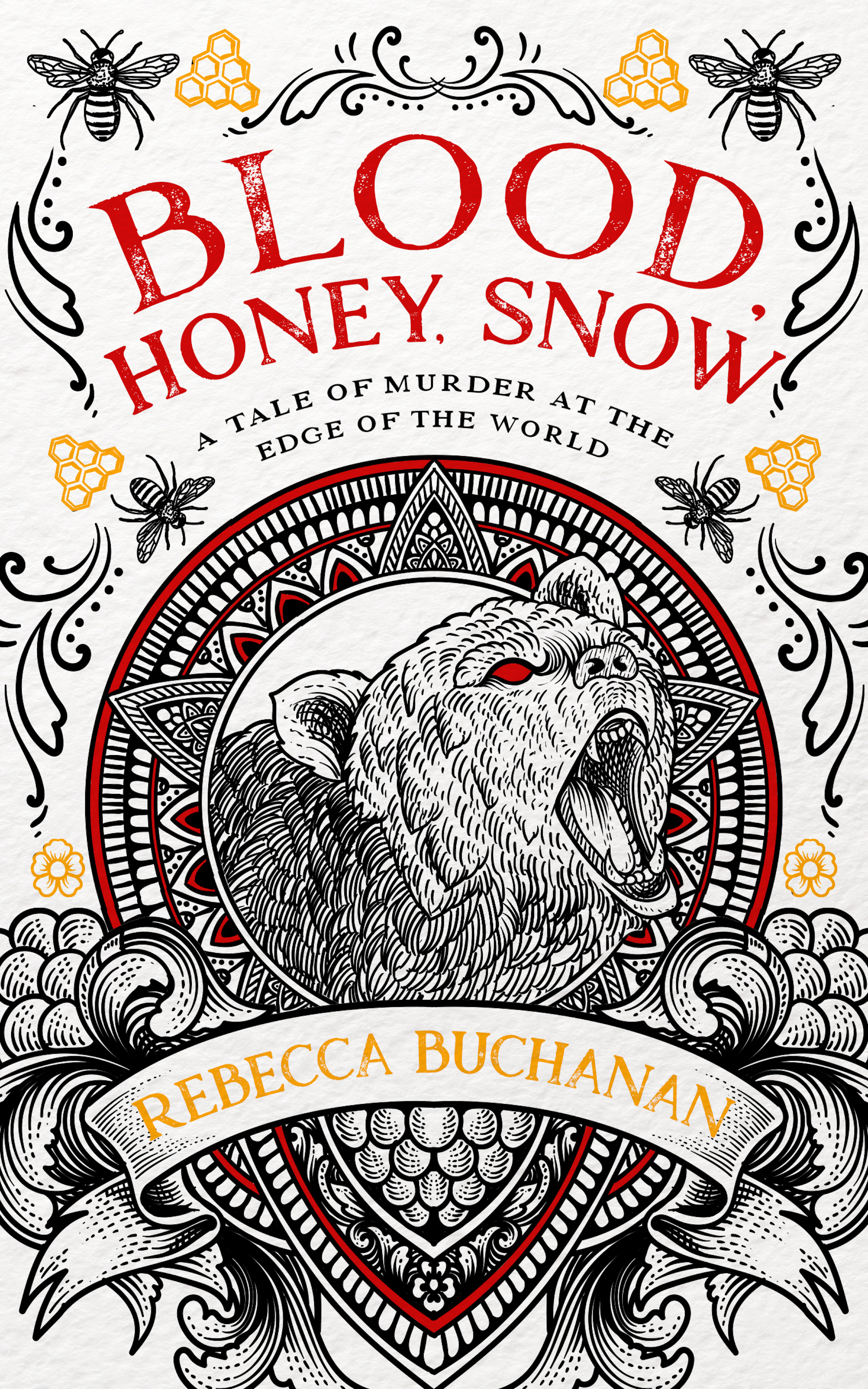
When ev0ke shut down in early 2024, I decided to take that very long short story and turn it into a stand-alone novella. I changed the title, commissioned a very nice cover from GetCovers, loaded the manuscript into Vellum, read it through a few times, plugged a couple of narrative holes, and decided it was good to go. I posted the cover, announced the release date — and then decided to send it off to a beta reader. I didn’t have the luxury of a beta reader when I was writing for ev0ke, so I decided to take the opportunity for the newer version of the story.
Ouch.
She was ruthless. She didn’t even get through the first chapter, instead returning a very long email filled with all of the gaffes and mistakes and inconsistencies she had spotted in just the first few pages.
I sulked for a few days, then went back through her notes. And took another look at the manuscript.
Yeah. Turns out she was right about a lot of things.
I started plugging holes, filling out characterizations, and knitting together those dangling plot threads. Every time I thought I had caught all of the errors, another niggling little something would jump out at me. I added a glossary. Commissioned a cool cross-section of the building. It took longer than I had expected, forcing me to push back the release date.
But I was happy with the final result, and triumphantly uploaded the file to Draft2Digital. I set the release date (again) and ordered my physical proof copy.
When that copy finally arrived* I happily cracked it open, pen in-hand, to hunt down any lingering typos.
Um. Yeah. Most of the corrections were simple enough; just move a sentence up here and change who’s speaking down there. But it was amazing — and appalling — how many errors and narrative gaffes I discovered while reading a printed page as opposed to a computer screen. I started scribbling, marking page numbers at the beginning of the book, adding notes in margins, drawing looping arrows to things that needed to be added or deleted or moved. In short order, the proof copy was covered in barely-legible scribbles.
Eventually, I was able to upload the final final final manuscript.
Good to go.
So let my experience be a lesson to you. Learn from my mistakes. Beta readers are a must. They will always spot something you missed. Printed proof copies are a must. Our eyes and brains see things in hardcopy that we miss in digital copy. Don’t be afraid to move around release date if it means improving your story to the best it can possibly be.
And — oh yeah — maps and cross-sections and schematics and blueprints are cool.
* When ordering a proof copy and planning your release date, always take into account print time and shipping time. My proof copy took a full two weeks to arrive, and it only came that quickly because I happen to live near the printing company.
[Written by Rebecca Buchanan. Blood, Honey, Snow: A Tale of Murder at the Edge of the World will be available at all major retailers on 15 February 2025.]
 Eternal Haunted Summer